Species, Personality, and Partnership in Multi-Species Practice
Jenny Phillips
Published 18 March 2026
When animals are included within education, therapeutic environments, or wellbeing practice, there is often an assumption that certain species are naturally more suitable than others. Dogs and horses, for example, are commonly recognised within animal-assisted approaches.
However, experience across multi-species practice suggests something different.

Animals that are frequently overlooked become some of the most meaningful partners.
(Photo by http://www.kaboompics.com on Pexels.com)
The success of human–animal partnership is rarely determined by the popularity of the species. Instead, it depends on the match between the individual person, the animal, the environment, and the purpose of the interaction.
In many cases, animals that are frequently overlooked become some of the most meaningful partners.
Every Species Brings Different Knowledge
Within a multi-species approach, animals are not interchangeable. Each species brings its own behaviours, rhythms, communication styles, and relational opportunities.
These differences allow practitioners to create environments where individuals can connect with animals in ways that feel comfortable, safe, and meaningful to them.
Understanding these differences expands opportunities for participation and inclusion.
Reptiles: The Scale Practitioners
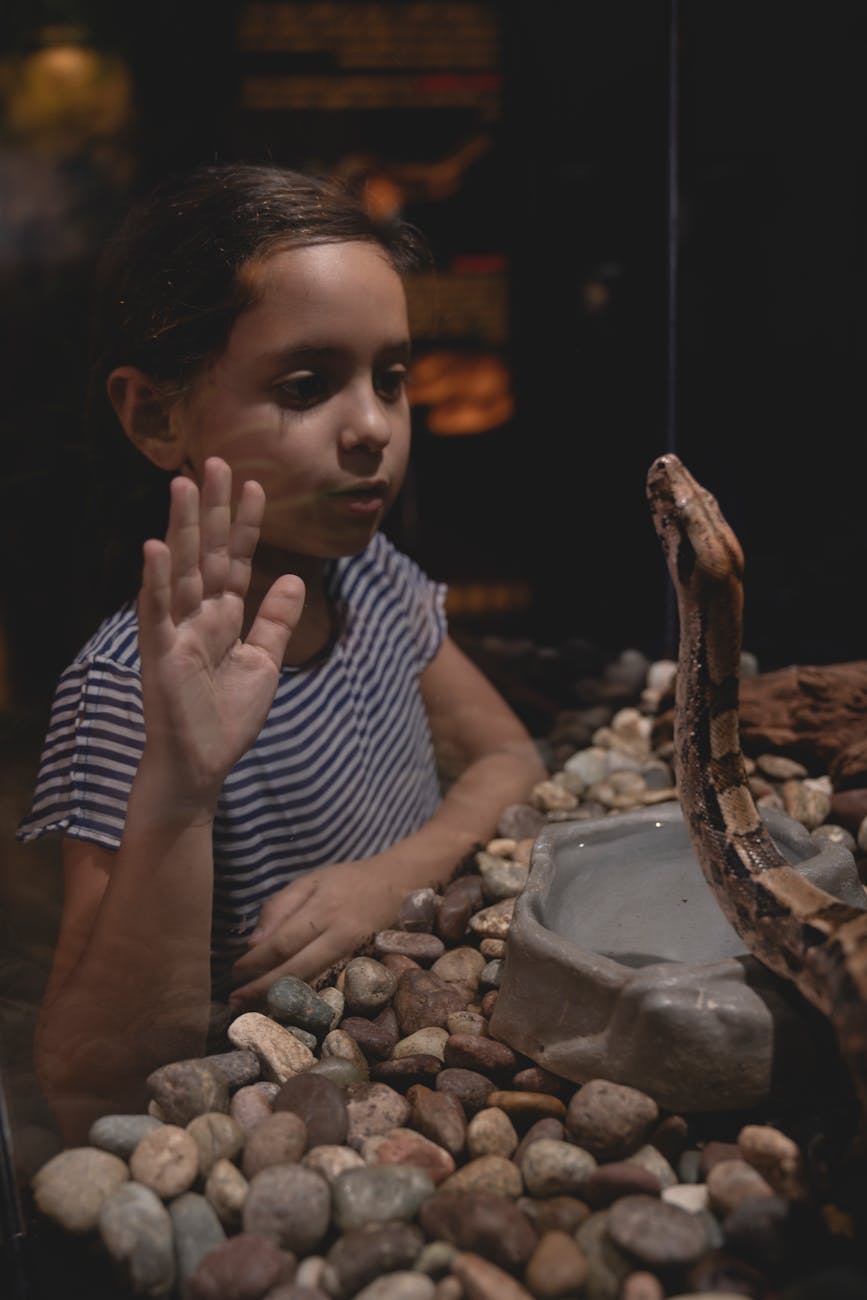
For individuals who experience sensory processing differences, animals with fur are not always comfortable to touch. Reptiles can offer an alternative sensory experience.
The smooth or scaled texture of reptiles provides a different tactile input, allowing people who may find fur overwhelming to still experience connection with an animal partner. In this way, reptiles can become what might be described as “scale practitioners” within the wider animal faculty.
(Photo by Los Muertos Crew on Pexels.com)
Many reptiles also move slowly and deliberately. This slower pace can support engagement for individuals who require more time to process movement or who may find fast reactions physically challenging. The ability to observe clearly, share space calmly, and interact without pressure can create meaningful relational moments.
Small and Slow Animals: Accessible Engagement
Animals that move slowly can provide valuable opportunities for individuals who benefit from calm, predictable interaction.
Species such as tortoises, snails, or other gentle animals allow participants to observe behaviour carefully, build confidence gradually, and experience success without the need for rapid reflexes or complex coordination.
These animals demonstrate that connection does not require speed or performance. Sometimes the most powerful interactions occur through stillness and shared attention.
Animals and Memory: Connection for Older Adults
For many older adults, animals can reconnect them with important memories from earlier in life.
Species such as cats, dogs, chickens, ferrets, or tortoises often remind individuals of animals they cared for during childhood or adulthood. These memories can create opportunities for storytelling, reflection, and emotional connection.
Older adults frequently hold strong memories of past animal companions. When these memories are invited and respected, they can open meaningful conversations that may not otherwise occur in everyday settings.
Animals can therefore become bridges between past and present experiences, allowing people to share parts of their personal history that remain important to them.
Farm Animals: Responsibility, Learning, and Community
Farm animals offer unique opportunities for learning and skill development across many age groups.

Participants involved with farm animals may engage in activities such as:
- feeding and daily care routines,
- habitat preparation,
- health observation,
- teamwork and shared responsibility.
These experiences naturally support the development of organisational skills, cooperation, communication, and confidence.
(Photo by Dawn Newman)
Importantly, a farm environment does not need to be large or traditional to be meaningful. Small animal farms or community animal spaces can provide equally powerful opportunities for learning, especially when animals have been rescued or rehomed.
Understanding an animal’s story can deepen empathy and connection, encouraging participants to recognise shared experiences of resilience and recovery.
Trauma Recognition Across Species
Research and practical experience increasingly suggest that animals may respond sensitively to human emotional states, particularly in individuals who have experienced trauma.
Some species appear able to recognise signs of distress and respond with calm presence or quiet proximity. Observations in areas such as parrot neurology and trauma-related support work suggest that animals who have experienced trauma themselves may sometimes form strong connections with people navigating similar emotional experiences.
While more research continues to emerge, these interactions highlight the potential for deeply meaningful cross-species relationships grounded in empathy and shared understanding.
Personality Matters as Much as Species
While species characteristics are important, individual personality also plays a significant role in partnership.
Animals, like people, have unique temperaments. Some are naturally curious and social, while others prefer quieter observation or shorter interactions.
Recognising and respecting these individual differences protects welfare and ensures that participation remains voluntary and positive for the animal.
True partnership allows animals to express their own preferences within shared environments.
The Role of Virtual Animal Connection
Physical interaction with animals is not always possible or appropriate in every environment. In these situations, virtual experiences can still create meaningful opportunities for learning and connection.
Through video observation, storytelling, guided discussion, and interactive sessions, individuals can explore animal behaviour, communication, and care while remaining within environments that are safe and accessible to them.
Virtual connection also allows practitioners to introduce a wider variety of species and environments that might otherwise be unavailable.
This flexibility ensures that animal learning experiences remain inclusive and adaptable.
Virtual and Remote Animal Partnership
A key principle within inclusive multi-species practice is that no one should be excluded from opportunities to connect with animals when safe and meaningful alternatives are possible.
There are times when direct physical interaction is not appropriate. This may be due to health considerations, environmental limitations, safety requirements, financial barriers, or geographical distance. In these situations, virtual engagement can provide valuable opportunities for connection.
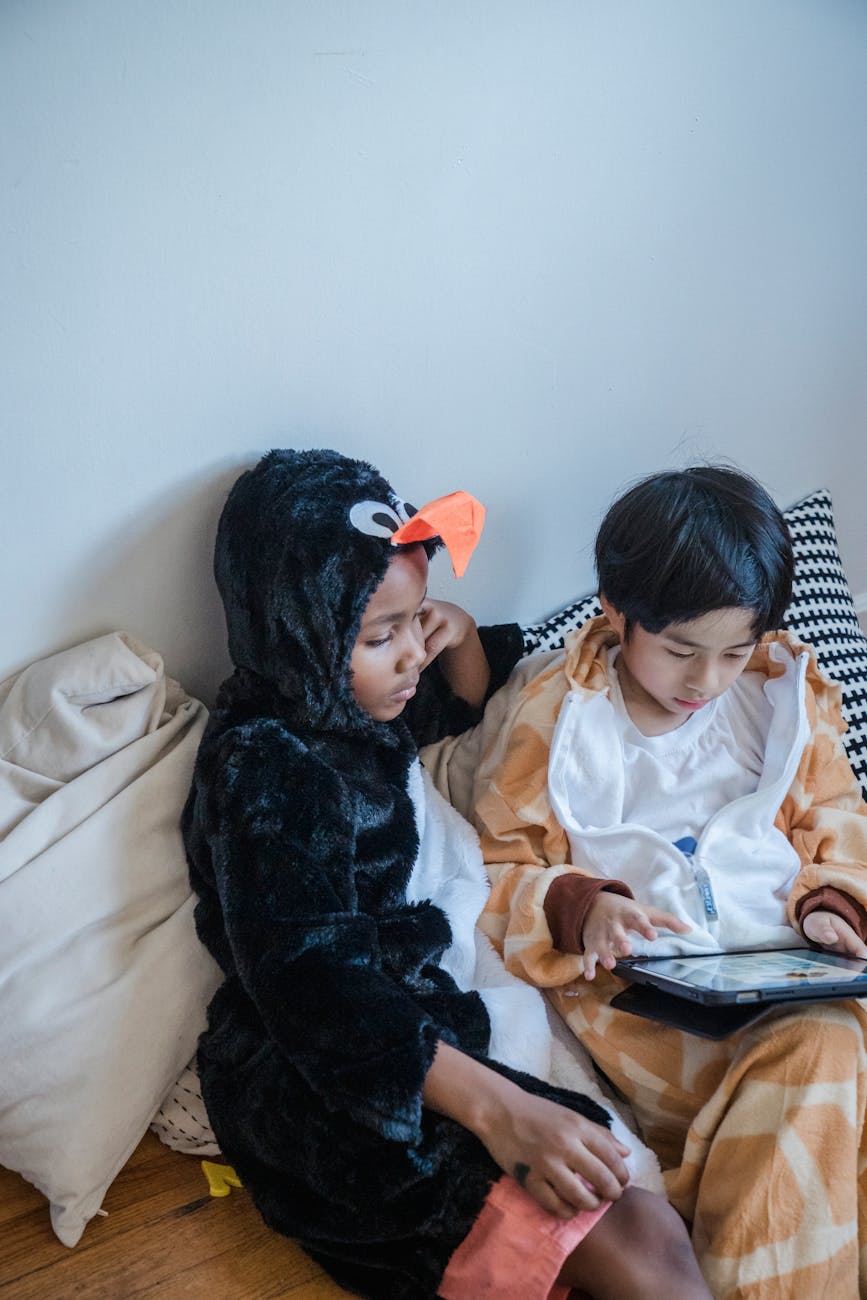
When thoughtfully designed, virtual interaction can still support meaningful relationships between humans and animals.
Regular online sessions with the same animal and practitioner can allow familiarity and friendship to develop over time. Participants may observe the animal’s behaviour, learn about their care routines, share experiences, and build ongoing connection through conversation and observation.
(Photo by Liliana Drew on Pexels.com)
For individuals who cannot meet animals in person due to medical or mobility reasons, these sessions can become an important social and emotional resource.
Communication can extend beyond live sessions. People may exchange:
- emails and messages,
- recorded videos,
- photos and updates,
- letters or creative work inspired by their animal partner.
These shared exchanges help sustain relationships and encourage curiosity and learning.
Expanding Access Through Technology
Technology also allows people to connect with animals and environments that would otherwise be inaccessible.
Many wildlife organisations, including zoos, aquariums, and conservation reserves, now provide live camera feeds that allow individuals to observe animals in real time. Smaller organisations and community projects can also create simple wildlife observation opportunities using garden cameras or nest box feeds.
Watching birds raise chicks, observing hedgehogs visiting feeding stations, or noticing the quiet movements of foxes and badgers at night can offer moments of connection with nature that are available at any time of day.
For individuals who struggle during evenings, nights, or holiday periods when traditional services may be unavailable, these forms of access can provide an additional sense of connection and comfort.
Global Animal Connections
Virtual engagement also allows participants to meet animals from different parts of the world.
For example, in some countries such as Thailand, elephants are involved in therapeutic programmes supporting children with autism spectrum conditions and Down syndrome. While these experiences are not available everywhere, virtual links allow people to learn about these animals, observe their behaviour, and share stories about their lives and environments.
With creativity and thoughtful facilitation, virtual engagement can open doors to a much wider range of animal partnerships.
When Distance Does Not Break Connection
The importance of connection became particularly visible during the global pandemic, when physical distancing made many usual interactions impossible.
During this time, animals and practitioners found creative ways to maintain relationships. Some animals visited outside windows so their human friends could still see them safely. Simple gestures such as waving, holding signs, or offering familiar routines helped maintain emotional connection.
In other cases, soft toy versions of animals were sent to participants so they could continue feeling a sense of companionship and familiarity even when their real animal partner could not be present.
These small acts demonstrated an important truth:
connection, care, and friendship are not limited by walls, windows, or screens.
Inclusive Practice in Multi-Species Work
Virtual connection is not intended to replace physical interaction where it is possible and appropriate. Instead, it expands the ways people can experience relationships with animals.
When practitioners remain creative and responsive, connection can continue through many different pathways.
The goal is simple:
no one should be excluded from opportunities to learn, connect, and experience the positive influence of animals.
Gentle Reflection
- Sometimes friendship travels through paws and footsteps.
- Sometimes it travels through windows and screens.
- But the connection is real all the same.
Matching Animals, People, and Environments
Successful multi-species practice considers three important elements:
- The individual person
their needs, interests, abilities, cultural background, and comfort levels.
- The animal partner
their species characteristics, personality, welfare needs, and willingness to participate.
- The environment
the space, safety considerations, resources, and goals of the interaction.
When these elements align, meaningful partnerships can emerge that benefit both humans and animals.
Practical Takeaways for Practitioners
- Different species support different needs and preferences.
- Sensory considerations are important when choosing animal partners
- Slow-moving animals can support accessible engagement.
- Animals can help reconnect individuals with memories and identity.
- Farm animals support learning, responsibility, and teamwork.
- Virtual animal experiences can expand access and inclusion.
- Animal welfare and personality should always guide participation.
Gentle Reflection
Sometimes the animal we least expect becomes the one who teaches us the most.
 Animal-Assisted