Dawn Newman
Published 11 May 2026
A wave of social media clips has made food-based interaction with animals look wholesome, fun and sustainable. But when it comes to feeding kitchen scraps to pets or poultry in the UK, the legal and biosecurity risks matter far more than the viral appeal.
Is your animal provision accidentally falling foul of UK law?
The rise of food-content animal videos
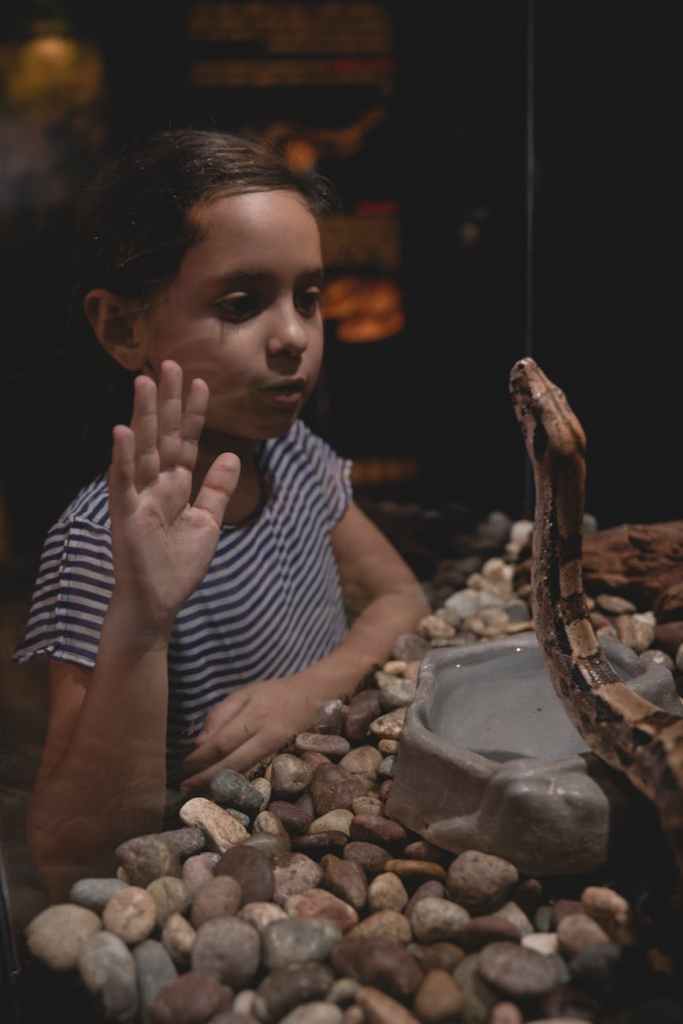
Short-form video has turned ordinary feeding moments into shareable content. Chickens pecking at scraps, pets being given “treats” from the table, and animals reacting to food in cute or surprising ways all fit the kind of low-effort, high-emotion content that performs well online.
This works because it combines three things people like: animals, food and a sense of usefulness. The message can feel positive too.
“Nothing is wasted,” “the animals enjoy it,” and “it’s a simple way to bond.”
In fact – it feels like a win, win!
(Photo by Los Muertos Crew on Pexels.com)
Why people think it is a good idea
At first glance, feeding animals leftover food seems practical. It can look like a way to reduce waste, save money and make animals more interested in humans. In settings such as smallholdings or school farms, food can also be used to encourage calm behaviour, curiosity and trust… a perfect solution.
There is a real difference, though, between safe enrichment and using kitchen leftovers. In fact, in the UK, feeding catering waste or kitchen scraps to farm animals is not allowed – even if they’re being kept as pets. That includes poultry. The reason is disease control: scraps can carry pathogens, and even well-meaning animal-keepers can accidentally introduce contaminated material into the animal feed chain.
To those watching cute Instagram videos of animal enjoying leftovers and bonding with children, these rules might seem extreme, but they were introduced as a result of an outbreak of Mad Cow Disease (BSE) in cattle, which was identified in the mid-1990s and traced to infected beef entering the food chain. It led to a major public health scare, the slaughter of millions of cattle, export bans on British beef, and, crucially, 178 reported human deaths from vCJD in the UK by later counts.
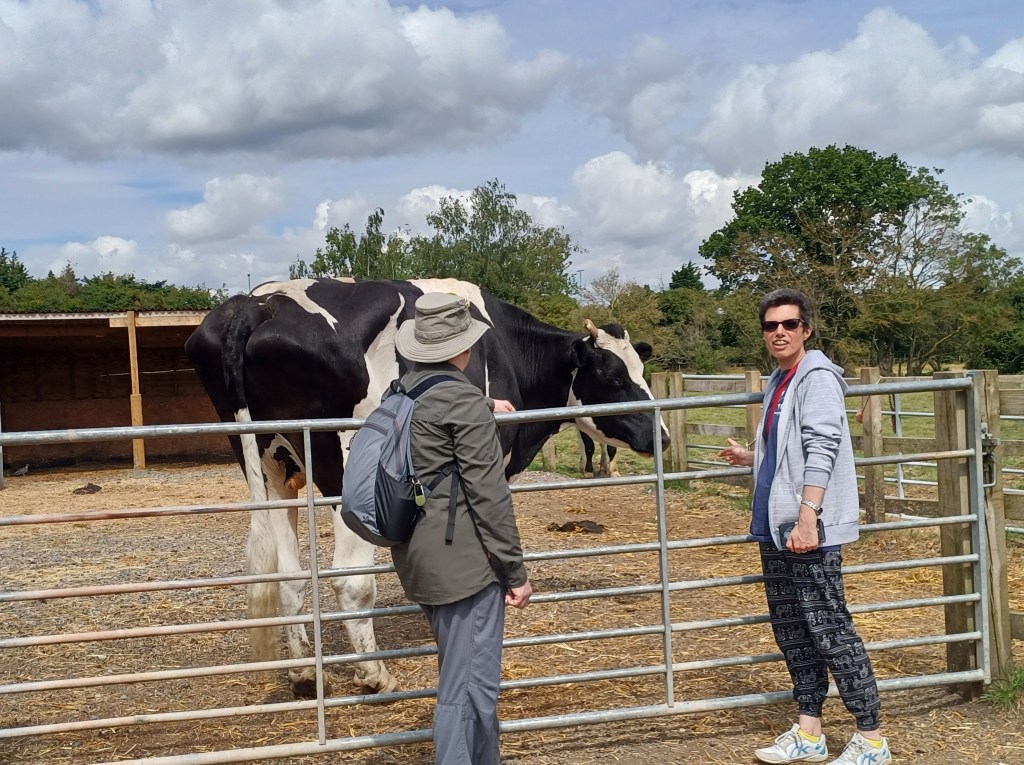
vCJD is a fatal prion disease, meaning it is caused by misfolded infectious proteins rather than bacteria or viruses, and it can take years to show symptoms. The UK outbreak became one of the biggest food-safety and public health crises in modern British history, with long-running debate over surveillance, blood safety, and prevention.
So, though it can feel restrictive, the ‘no scraps’ rule exists to protect animal health and the wider food system. And the risk is not only from meat or dairy leftovers; contamination can happen through handling, cross-contact and ingredients you might not immediately think of as risky – leading to the law being very clear that any food which has been in a human kitchen is banned from becoming animal feed. The law is strict because the consequences of an outbreak can be severe.
Safer treat options
Luckily, we don’t have to change all of our (incredibly cute) plans and can still include those that interact with our animals in their care and feeding routines. If the goal is to reward or enrich animal interactions, there are just much safer options than kitchen scraps. For chickens, for example, that can include Reptar approved treats like;
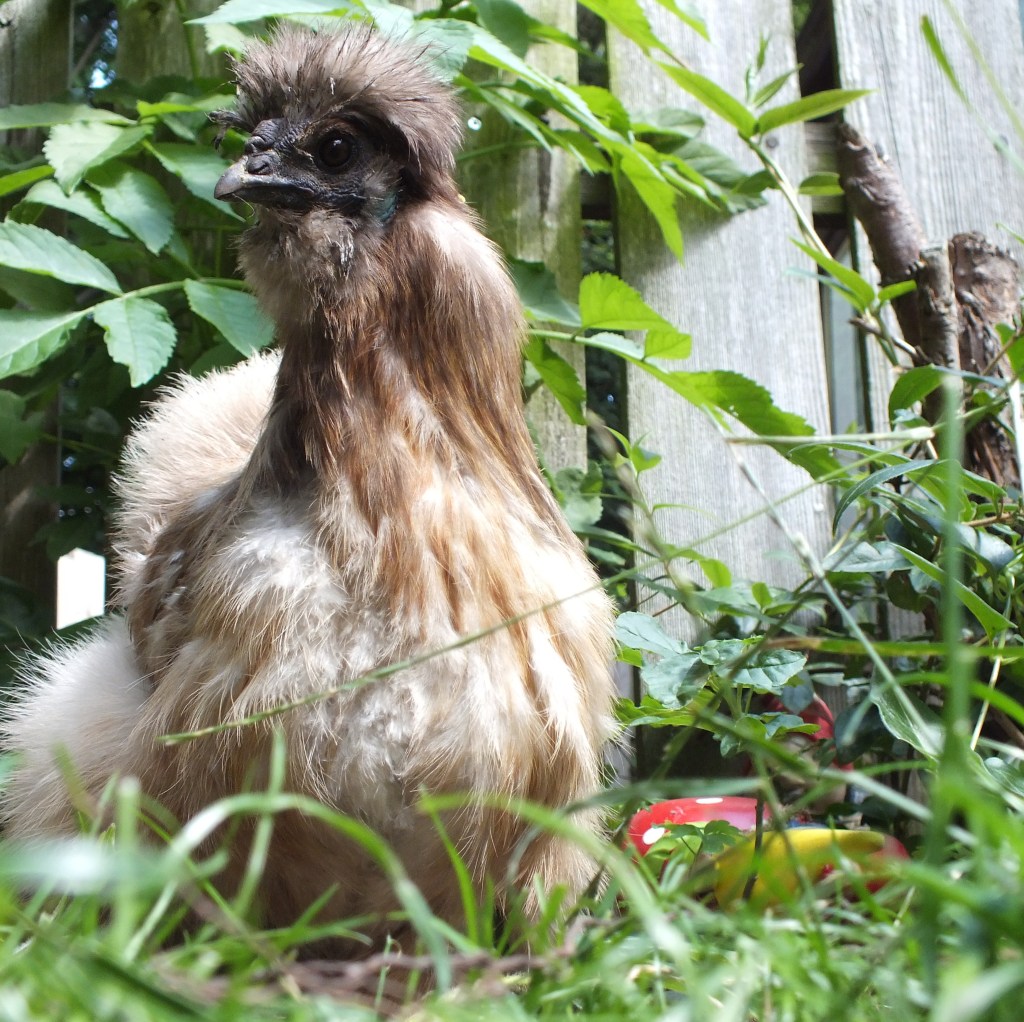
- Commercial chicken treats which are formulated to support poultry health, including peck blocks, hen herbs and other enrichment products..
- Small amounts of approved grains or seeds, like sunflower seeds.
- Live insects, such as mealworms or locusts (dried are not allowed).
- Fresh greens or vegetables that are suitable for poultry (lettuce and cabbage work well hung in a net bag)
For pets of all kinds, the best approach is to use treats formulated for their species and size. That helps control ingredients, avoid digestive upset and prevent accidental exposure to unsafe foods.
Going further, the safest and most useful approach to reward and interaction is to focus on behaviour and enrichment rather than leftovers. Good alternatives include:
- Scatter-feeding approved feed in a supervised area, to encourage natural foraging behaviour.
- Puzzle feeders and foraging trays.
- Observation sessions where pupils watch and journal about daily feeding, grooming or social behaviour.
- Clicker training with small, approved treats.
- Classroom lessons on welfare, nutrition, food waste and biosecurity.
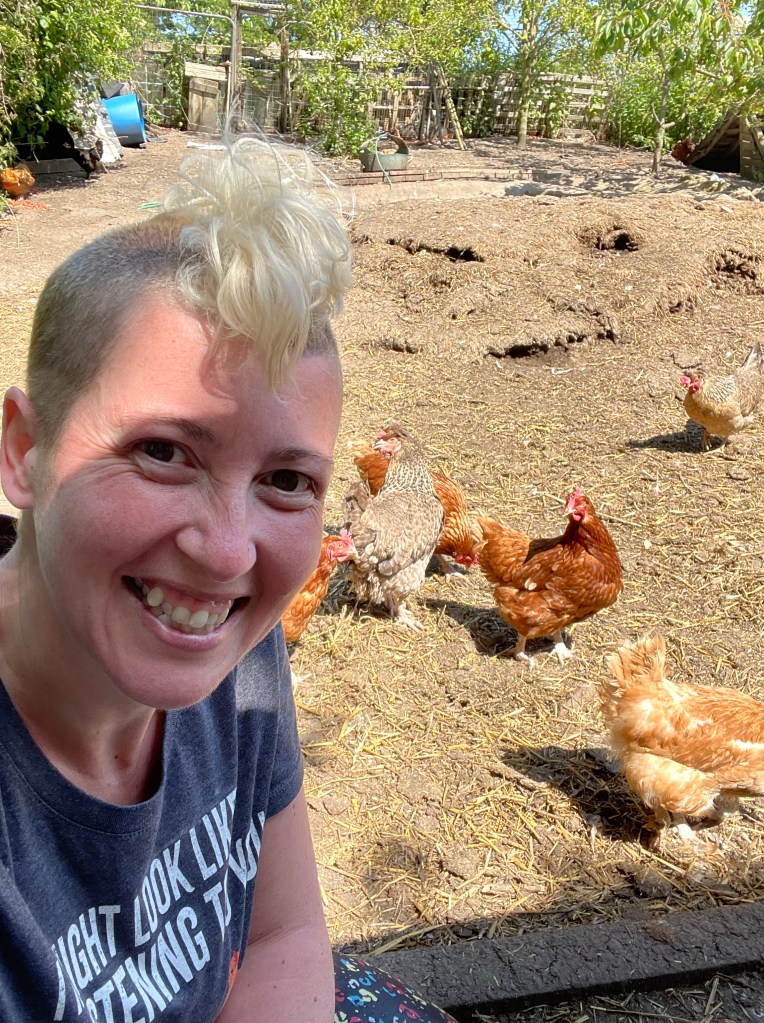
The trick is to match the feeding needs to the animal, rather than trying to make the animal fit into the needs of your setting. If the lesson is about caring for animals, you do not need scraps to make it engaging. In fact, showing children why some habits are unsafe can be more educational (and engender more care) than simply feeding animals, which can easily become a transactional interaction.
If you’re looking for an alternative way to utilize your food waste, starting a composting provision could be a rewarding and enriching project for learners, or you might even consider expanding your animal provision to include a worm farm.
A balanced conclusion
The popularity of food-based animal content says something real about how people want to connect with animals and reduce waste. But the most responsible message is not that “any food can be shared,” it is that enrichment should be safe, legal and species-appropriate.
Kitchen scraps are not a harmless shortcut, despite how cute is can seem or how easy it is to find people who aren’t following the rules and, in the UK especially, feeding scraps can cause untold amounts of harm.
How do you keep your animals, and those who interact with them, safe?
 Animal-Assisted